
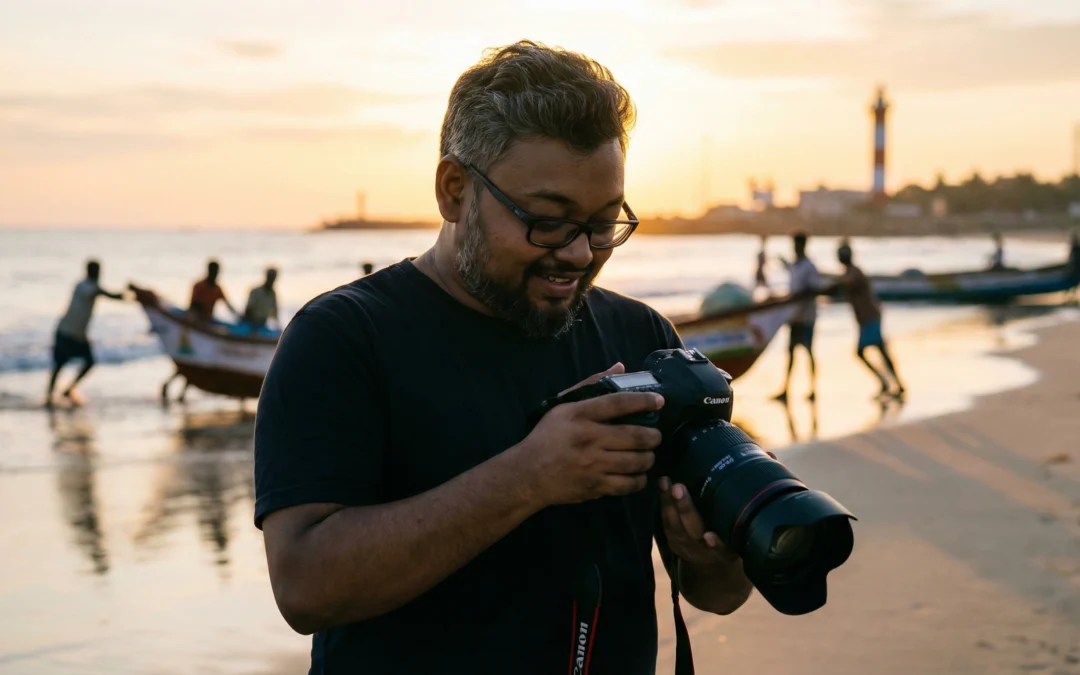
Have you ever picked up a camera and wondered how to capture the stunning vibrant world exactly as your own eyes see it? You are definitely not alone. When I first started my entrepreneurial journey back in 2009, I asked myself the exact same question. Today, as we confidently navigate 2026, many eager beginners ask me exactly what it takes to transform a simple quick snapshot into a true piece of fine art. They often want to know the closely guarded secrets that make someone the best photographer in Chennai. Welcome to C & T Fotography. In this extensive guide, I will share the foundational basics of photography that will elevate your craft and explain exactly why mastering these simple basics is the first crucial step toward becoming the best photographer in Chennai.
Whether you are using a basic smartphone or a highly advanced professional camera, the core principles of photography never change. Finding the best photographer in Chennai is usually about finding someone who has deeply mastered these foundational rules. The best photographer in Chennai does not rely purely on expensive heavy gear. The best photographer in Chennai relies entirely on a trained artistic eye and a deep understanding of light. If you are deeply thirsty to learn exactly how to create breathtaking imagery, you have come to the right place. Let us explore the essential skills that completely separate an everyday amateur from the best photographer in Chennai.
Contents
- 1 1. Understanding the Deep Magic of Light
- 2 2. Mastering the Art of Composition
- 3 3. The Incredible Power of Unique Perspective
- 4 4. Why Equipment Does Not Make the True Artist
- 5 5. How Analytical Precision Elevates Creative Vision
- 6 6. Capturing Raw Unscripted Human Emotion
- 7 7. The Hidden Magic of Post Production and Editing
- 8 8. Your Next Big Step in the Photographic Journey
1. Understanding the Deep Magic of Light
Light is the absolute pure essence of all photography. Without beautiful light, there is absolutely no photograph. The best photographer in Chennai knows how to deeply read, manipulate, and shape natural light to perfectly fit their creative vision. When you look at the stunning portfolio of the best photographer in Chennai, you will immediately notice how light wraps beautifully around the subjects. Finding the best photographer in Chennai means finding a true master of illumination. I actively write about advanced lighting techniques for eager beginners, and you can explore those specific detailed tips right here.
The best photographer in Chennai understands the massive difference between harsh bright midday sunlight and the soft warm glow of the golden hour. To truly be the best photographer in Chennai, you must practice shooting in completely different tricky lighting conditions. The best photographer in Chennai knows how to embrace deep dark shadows just as much as bright brilliant highlights. Shadows add deep mystery, intense drama, and beautiful dimension to your images. If you sincerely want to shoot like the best photographer in Chennai, start paying very close attention to exactly how the sun moves across your room throughout the long day.
2. Mastering the Art of Composition
Composition is exactly how you carefully arrange the visual elements within your specific frame. The best photographer in Chennai expertly uses clever composition to directly guide the eye of the viewer perfectly through the entire image. Have you ever heard of the rule of thirds? It is a highly fundamental classic rule that the best photographer in Chennai uses constantly to create perfectly balanced harmonious images. The best photographer in Chennai never just places the main subject dead center without a very good artistic reason. I constantly share my personal thoughts on clever framing and composition with my professional network.
Another highly crucial composition technique used by the best photographer in Chennai is the clever use of leading lines. These are natural physical lines in your surrounding environment that point directly toward your main subject. A winding dirt road, a tall brick wall, or a long wooden fence can all be used by the best photographer in Chennai to create incredible visual depth. The best photographer in Chennai actively sees the busy chaotic world as a beautiful series of geometric shapes and leading lines. If you desire to book a professional session where these exact rules are perfectly applied, you can explore our premium offerings today.
3. The Incredible Power of Unique Perspective
Most ordinary people take quick pictures from their standard eye level. However, the best photographer in Chennai constantly moves around to find a completely fresh unique angle. The best photographer in Chennai will literally lay flat on the dirty ground or climb very high up to capture a completely different breathtaking view. Changing your physical perspective is the absolute fastest way to instantly make your images look like they were taken by the best photographer in Chennai. A completely unexpected creative angle keeps the curious reader highly engaged and incredibly thirsty for more.
When photographing young playful children or cute pets, the best photographer in Chennai always physically gets down to their exact level. This creates a highly intimate and deeply personal feeling that you simply cannot get from standing up straight. The best photographer in Chennai intimately knows that photography is a highly physical active job. The best photographer in Chennai is absolutely never lazy with their footing. For more deep insights on how perspective completely changes a story, you can read my extended thoughts online.
4. Why Equipment Does Not Make the True Artist
There is a very common massive misconception that buying a highly expensive new camera will automatically magically make you the best photographer in Chennai. This is completely totally false. The best photographer in Chennai can easily create an absolute stunning masterpiece using a cheap basic smartphone. The best photographer in Chennai heavily understands that a camera is just a simple dumb tool. The true pure magic strictly comes from the highly creative human mind behind the glass lens. The best photographer in Chennai invests very heavily in absolute continuous education rather than just buying completely new shiny toys.
Of course, professional premium gear absolutely helps in highly tricky difficult situations. The best photographer in Chennai relies on extremely fast lenses for low light indoor weddings and highly robust camera bodies for unpredictable outdoor rainy weather. However, the best photographer in Chennai knows every single tiny button and hidden menu on their chosen camera completely blindly. If you are totally ready to stop strictly worrying about gear and start focusing purely on capturing true emotion, feel free to contact our creative team to discuss your visual needs.
5. How Analytical Precision Elevates Creative Vision
You might be highly surprised to learn that being the best photographer in Chennai requires massive amounts of logical analytical thinking. During my highly intensive corporate background, where I spent over eight long years working strictly as a senior research analyst, I naturally developed an extremely sharp deep attention to tiny details. The best photographer in Chennai actively uses this exact same deep analytical precision to expertly plan complex shoots, safely backup massive digital files, and flawlessly execute highly strict timelines. The best photographer in Chennai absolutely never leaves crucial things purely to wild chance.
This rigorous analytical mindset is exactly what successfully prevents total disaster on a highly chaotic busy wedding day. The best photographer in Chennai always arrives highly prepared with fully charged spare batteries, empty formatted memory cards, and a carefully researched solid backup plan. The best photographer in Chennai simply cannot ever afford to miss a completely unrepeatable fleeting moment because of a silly technical error. The best photographer in Chennai beautifully marries highly logical intense preparation with highly fluid beautiful creativity.
6. Capturing Raw Unscripted Human Emotion
All the perfect lighting and flawless composition in the entire world completely mean absolutely nothing if the final photograph lacks true deep emotion. The best photographer in Chennai is a total absolute master at anticipating and perfectly capturing totally raw unscripted feelings. The best photographer in Chennai knows exactly how to expertly make people feel entirely deeply comfortable. The best photographer in Chennai builds huge immense trust very quickly. When looking for the best photographer in Chennai, you are actively searching for a highly empathetic storyteller.
The best photographer in Chennai strictly avoids highly stiff awkward forced poses. Instead, the best photographer in Chennai gives gentle fun prompts that naturally elicit highly genuine loud laughter and deep warm connection. The best photographer in Chennai waits highly patiently for the perfect beautiful moment to completely unfold naturally. The best photographer in Chennai knows that true absolute beauty lies deeply within highly honest vulnerability. This strict unscripted documentary approach is the true signature of the best photographer in Chennai.
7. The Hidden Magic of Post Production and Editing
The simple click of the loud camera shutter is truly only the absolute very beginning of the long journey for the best photographer in Chennai. High quality professional editing is where the raw captured image is totally transformed into a highly polished beautiful final masterpiece. The best photographer in Chennai spends many long quiet dedicated hours in the digital darkroom. The best photographer in Chennai expertly adjusts bright contrast, corrects skin tones, and completely enhances the natural beautiful colors of our vibrant city.
However, the best photographer in Chennai never completely over edits an image to the point where it looks highly fake or totally plastic. The best photographer in Chennai uses editing software simply to deeply enhance the beautiful reality that was already totally there. The best photographer in Chennai strictly maintains a highly cohesive beautiful timeless editing style. If you want to learn much more about the specific software tricks and color grading methods used by professionals, you can explore my detailed workflow guide.
8. Your Next Big Step in the Photographic Journey
Learning the core fundamental basics is the absolute first vital step on the long beautiful road to becoming a highly skilled artist. Even today in 2026, I am still constantly learning brand new highly creative techniques to proudly ensure I firmly remain the best photographer in Chennai. The best photographer in Chennai heavily understands that visual art is a totally lifelong ongoing journey of beautiful discovery. The best photographer in Chennai totally embraces highly constructive honest feedback and completely uses it to actively grow beautifully stronger.
If you are currently looking to hire the best photographer in Chennai for your own personal special beautiful events, you now know exactly what crucial signs to strictly look for. You completely know that the best photographer in Chennai will actively prioritize gorgeous light, clever strong composition, deep emotional connection, and highly rigorous professional preparation. At C & T Fotography, we proudly strive incredibly hard every single beautiful day to truly be the best photographer in Chennai for our amazing clients. The best photographer in Chennai is always completely ready to beautifully tell your highly unique unscripted story.